


Introduction
World news headlines shape the way people understand global events, politics, technology, business, health, and social changes. Every day, millions of readers check updates from different countries to stay informed about important developments. From political elections and economic crises to scientific discoveries and climate issues, world news headlines help people stay connected with what is happening around the globe.
In today’s digital age, news spreads faster than ever before. A single event in one country can affect people worldwide within hours. Because of this, understanding world news headlines has become more important for students, professionals, business owners, and everyday readers. Reliable information helps people make smarter decisions and stay aware of international trends.
At the same time, the internet has changed how people consume news. Social media platforms, online newspapers, television channels, and mobile apps continuously deliver updates throughout the day. While this creates easy access to information, it also increases the risk of misinformation and confusing reports.
Therefore, learning how to read, analyze, and understand world news headlines is essential. This article explains what world news headlines are, why they matter, how to follow them effectively, their advantages and disadvantages, common mistakes readers make, expert tips, and frequently asked questions.
What is World News Headlines?
World news headlines refer to short and attention-grabbing titles used by news organizations to summarize important international events. These headlines appear in newspapers, websites, television broadcasts, magazines, and social media platforms.
The main purpose of world news headlines is to quickly inform readers about major global developments. They provide a brief overview of events happening in politics, economics, sports, health, entertainment, science, technology, and environmental issues.
For example, a headline about a global economic summit immediately informs readers about international business discussions. Similarly, headlines about natural disasters, elections, wars, or medical breakthroughs help people stay updated about significant world events.
World news headlines are designed to attract attention while delivering key information in a short format. Journalists carefully select words that summarize complex events clearly and effectively.
Today, world news headlines are available across multiple digital platforms. Readers can access breaking news instantly through smartphones, websites, apps, and social media feeds.
Why is World News Headlines Important?
Helps People Stay Informed
World news headlines keep readers updated about important international developments. Understanding current events helps individuals become more aware of political, social, and economic changes.
Supports Better Decision-Making
Business owners, investors, students, and travelers often rely on global news to make informed decisions. Economic updates, policy changes, and international conflicts can influence markets and personal choices.
Encourages Global Awareness
Following world news headlines helps people understand cultures, governments, and social issues in different countries. This creates stronger global awareness and broader perspectives.
Improves Critical Thinking
Reading and comparing news from different sources encourages analytical thinking. Readers learn to evaluate facts, recognize bias, and form balanced opinions.
Promotes Educational Growth
Students and researchers often use world news headlines to learn about international affairs, scientific progress, and historical events.
Builds Social Conversations
Current events are a major part of discussions at schools, workplaces, and online communities. Staying informed helps people participate confidently in meaningful conversations.
Detailed Step-by-Step Guide
Step 1: Choose Reliable News Sources
The first step in understanding world news headlines is selecting trustworthy news platforms. Reliable sources usually provide fact-checked information and balanced reporting.
Good news organizations focus on accuracy instead of sensationalism. Readers should compare information from multiple sources before forming conclusions.
Examples of trusted news categories include:
- International newspapers
- Television news channels
- Government news agencies
- Educational publications
- Financial news websites
Step 2: Read Beyond the Headlines

Many readers only scan headlines without reading the full article. However, headlines often summarize events in limited words.
Reading the complete story provides:
- Context behind the event
- Different viewpoints
- Supporting facts and data
- Expert opinions
- Background information
This habit helps avoid misunderstandings and false assumptions.
Step 3: Understand the Global Context
World events are usually connected to larger political, economic, or social situations. For example, international conflicts may involve historical tensions, trade agreements, or regional alliances.
Understanding the background helps readers interpret headlines more accurately.
Step 4: Verify Breaking News Carefully
Breaking world news headlines spread quickly online. Unfortunately, early reports are sometimes incomplete or incorrect.
Readers should:
- Wait for official confirmation
- Check multiple sources
- Avoid sharing unverified information
- Follow updates from reliable journalists
This reduces the spread of misinformation.
Step 5: Analyze Different Perspectives
Different news organizations may present the same event differently. Comparing reports from international media outlets helps readers identify possible bias.
For example, political events may receive varying coverage depending on regional interests or editorial opinions.
Step 6: Use News Apps and Alerts Wisely
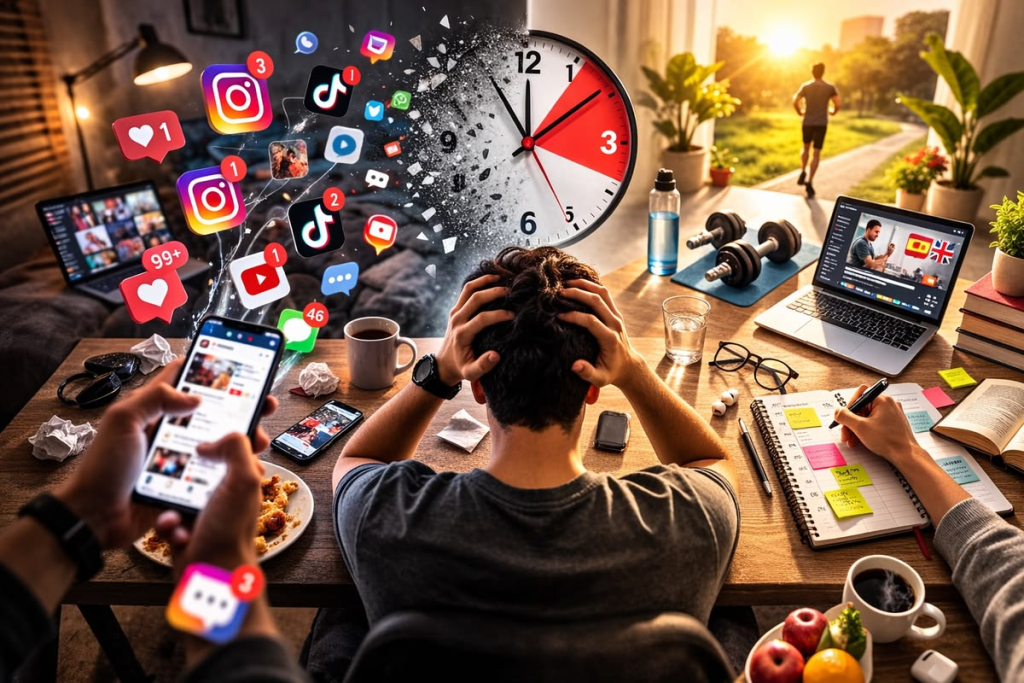
Mobile apps and notifications make it easy to follow world news headlines. However, too many alerts can become overwhelming.
To manage news effectively:
- Follow limited trusted sources
- Disable unnecessary notifications
- Schedule specific times for reading news
- Avoid constant scrolling
Balanced consumption improves focus and reduces stress.
Step 7: Learn Basic Media Literacy
Media literacy means understanding how news is created, edited, and distributed. Readers should learn to recognize:
- Clickbait headlines
- Manipulated images
- Fake statistics
- Emotional language
- Sponsored content
Strong media literacy skills help readers identify credible information.
Step 8: Follow International Topics Regularly
Consistency improves understanding of global affairs. Readers who follow world news headlines daily develop stronger knowledge about:
- International relations
- Climate change
- Global business trends
- Public health updates
- Technological innovation
Regular reading also improves awareness of long-term global developments.
Step 9: Discuss News with Others
Discussing world news headlines with friends, teachers, or colleagues helps people understand different viewpoints.
Healthy discussions encourage:
- Better communication
- Critical thinking
- Open-mindedness
- Deeper understanding
Step 10: Stay Calm During Major Events
Some world news headlines involve wars, disasters, or crises. Continuous exposure to negative news can increase stress and anxiety.
Readers should maintain emotional balance by:
- Taking breaks from news
- Focusing on verified information
- Avoiding panic-driven content
- Limiting exposure to disturbing stories
Balanced consumption supports mental well-being.
Benefits of World News Headlines
World news headlines offer several important advantages for readers worldwide.
- Provide instant access to global information
- Improve awareness of international events
- Help businesses track economic trends
- Support educational learning and research
- Encourage informed discussions
- Build understanding of global cultures
- Improve analytical and critical thinking skills
- Help travelers prepare for international situations
- Allow citizens to stay informed about government decisions
- Increase awareness of environmental and health issues
- Help investors monitor financial markets
- Encourage social responsibility and civic engagement
World news headlines also help communities respond quickly during emergencies such as natural disasters, pandemics, and political conflicts.
Disadvantages / Risks
Although world news headlines provide valuable information, they also come with several risks.
- Fake news can spread rapidly online
- Sensational headlines may create unnecessary fear
- Information overload can cause stress
- Biased reporting may influence public opinion unfairly
- Social media algorithms can create echo chambers
- Some headlines lack full context
- Constant negative news may affect mental health
- Misinformation can spread during breaking events
- Readers may become emotionally exhausted
- Clickbait headlines can mislead audiences
Understanding these risks helps readers consume news more responsibly.
Common Mistakes to Avoid
Believing Headlines Without Reading Articles
Many people form opinions after reading only a headline. This can lead to misunderstandings because headlines often simplify complex stories.
Depending on One News Source
Relying on a single source limits perspective. Comparing multiple outlets provides more balanced understanding.
Sharing Unverified News
One of the biggest mistakes is forwarding news without checking its authenticity. False information spreads quickly online.
Ignoring Publication Dates
Old stories are sometimes shared as current events. Readers should always check publication dates before believing reports.
Falling for Clickbait
Some websites use exaggerated headlines to attract clicks. These stories may contain misleading or incomplete information.
Allowing Emotions to Control Judgment
Emotional reactions can affect logical thinking. Readers should focus on facts instead of reacting immediately.
Spending Too Much Time on Negative News
Constant exposure to disturbing world news headlines can increase stress. Balance is important for healthy news consumption.
Ignoring Credible Journalism
Some readers trust social media rumors more than professional journalism. Reliable reporting usually follows fact-checking standards.
FAQs
1. Why are world news headlines important?
World news headlines help people stay informed about global events, political changes, business trends, health updates, and social issues. They improve awareness and support informed decision-making.
2. How can I identify fake news headlines?
Readers should verify information through trusted sources, check publication dates, examine the website’s reputation, and avoid emotionally exaggerated headlines.
3. What is the difference between breaking news and regular news?
Breaking news refers to urgent events happening in real time, while regular news includes planned reports, analysis, and updates published after verification.
4. How often should I read world news headlines?
Reading news once or twice daily is usually enough to stay informed without becoming overwhelmed.
5. Can social media be trusted for world news headlines?
Social media can provide quick updates, but not all content is reliable. Readers should confirm information using professional news organizations.
6. Why do different news channels report stories differently?
News organizations may have different editorial policies, political perspectives, and reporting styles. Comparing sources helps readers understand multiple viewpoints.
7. How do world news headlines affect businesses?
Global events influence financial markets, trade, supply chains, tourism, and consumer behavior. Businesses often monitor headlines to make strategic decisions.
8. What skills help people understand world news better?
Critical thinking, media literacy, research skills, and fact-checking abilities improve understanding of international events.
Expert Tips & Bonus Points
Follow Reputable Journalists
Experienced journalists often provide accurate reporting, deeper analysis, and verified information during major world events.
Create a Balanced News Routine
Instead of checking headlines constantly, set specific times for reading updates. This prevents stress and distraction.
Learn About International History
Historical knowledge helps readers understand modern political conflicts, economic partnerships, and cultural relationships.
Use Fact-Checking Platforms
Fact-checking websites help identify false claims, manipulated media, and misleading information.
Focus on Long-Term Trends
Daily headlines are important, but long-term developments often have greater impact. Readers should monitor trends in technology, climate, economics, and public health.
Avoid Emotional Reactions
Some headlines are designed to trigger fear or anger. Staying calm and analyzing facts improves understanding.
Understand Media Ownership
Knowing who owns a media organization can help readers recognize possible political or commercial influences.
Read International News Sources
Following media outlets from different countries provides broader perspectives on global events.
Keep Learning About Digital Media
Modern journalism continues evolving through artificial intelligence, social media, podcasts, and live streaming. Understanding digital media trends improves news literacy.
Encourage Healthy Discussions
Respectful conversations about world news headlines help communities exchange ideas and understand different perspectives.
Conclusion
World news headlines play a powerful role in modern society. They connect people to global events, international politics, business developments, scientific discoveries, and cultural changes happening around the world. In an age where information travels instantly, staying informed has become both easier and more challenging.
While world news headlines offer valuable knowledge and awareness, readers must also learn how to identify reliable information and avoid misinformation. Understanding media literacy, comparing multiple sources, and reading beyond headlines are essential habits for responsible news consumption.
Additionally, balanced news reading supports better decision-making in education, business, travel, and everyday life. People who stay informed are often more prepared for global changes and social developments.
However, excessive exposure to negative or misleading content can create stress and confusion. Therefore, readers should maintain healthy habits by following trustworthy sources, limiting unnecessary news overload, and focusing on factual reporting.
As technology continues changing the media industry, world news headlines will remain an important part of communication and global awareness. Individuals who develop critical thinking skills and responsible reading habits will benefit the most from the fast-moving world of modern news.
Ultimately, understanding world news headlines is not only about reading updates. It is about becoming a more informed, thoughtful, and globally aware individual in an increasingly connected world.
